Holland
A Comprehensive History of Postage Stamps in the Netherlands
The history of postage stamps in the Netherlands dates back to January 1, 1852, when the country issued its first stamps under the reign of King William III. Designed by Johann Wilhelm Kaiser, these inaugural stamps depicted a classical profile of the monarch and came in three denominations: 5, 10, and 15 cents. This marked the Netherlands’ adoption of the pre-paid postage system, which had been pioneered by Great Britain in 1840 with the iconic Penny Black.
In the decades that followed, the Netherlands became a leader in both functional and artistic philately. Early stamps prominently featured the reigning monarchs, symbolizing national unity and authority. During Queen Wilhelmina’s reign (1890–1948), her image adorned many series of stamps, including a striking set issued for her coronation in 1899. This period saw a gradual evolution in design, moving from classical portraits to more elaborate and ornate layouts.
A significant innovation came in 1906, when the Netherlands introduced its first charity stamp. These stamps carried a surcharge, with proceeds dedicated to social causes such as tuberculosis prevention. This concept was groundbreaking and has since been adopted by postal systems worldwide.
The Netherlands also embraced airmail early on, issuing its first airmail stamp in 1921. These stamps facilitated the rapid expansion of aviation as a means of communication, reflecting the country’s commitment to modernity.
The mid-20th century marked a turning point for Dutch stamp design. With the rise of modernism, Dutch graphic designers such as Piet Zwart and Wim Crouwel revolutionized stamp aesthetics. They introduced bold typography, asymmetrical layouts, and striking use of color, turning stamps into miniature works of art. The emphasis on contemporary design set Dutch stamps apart and made them highly sought after by collectors.
During World War II, stamps played a poignant role. Under German occupation, the designs were heavily controlled, featuring propaganda themes. However, following liberation in 1945, the Netherlands issued stamps celebrating freedom and national reconstruction, symbolizing a fresh start for the country.
In more recent decades, Dutch stamps have continued to innovate. Thematic stamps celebrating Dutch culture, art, nature, and historical events are regularly issued. For example, stamps honoring Dutch painters like Rembrandt and Van Gogh reflect the country’s deep artistic heritage. In 2010, the Netherlands became one of the first countries to introduce personalized stamps, allowing individuals to create custom designs for their postage needs.
Today, the Netherlands’ postal service, PostNL, produces stamps that balance tradition with modernity. Themes such as sustainability, diversity, and global connectivity feature prominently, ensuring that Dutch stamps remain relevant in a rapidly changing world. Whether viewed as collectibles or functional items, they serve as a fascinating lens through which to explore the history and culture of the Netherlands.
Viser 1–24 af 25 resultaterSorteret efter seneste
-

Nederland – Velgørenhedsfrimærker for børn og højtider
8,00 kr. Tilføj til kurv -

Nederland 1990 – Kind en Hobby – Kinderpostzegelactie miniark
10,00 kr. Tilføj til kurv -

Nederland 1988 – Sommerfrimærker Mennesker og Zoologiske Haver – stempelhæfteblad
8,00 kr. Tilføj til kurv -

Nederland – Den Internationale Domstol i Haag
8,00 kr. Tilføj til kurv -

Nederland – Kinderpostzegels 1975 – miniatureark
12,00 kr. Tilføj til kurv -
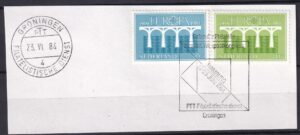
Nederland – Europa CEPT 1984 på filatelistisk souvenirkuvert
5,00 kr. Tilføj til kurv -
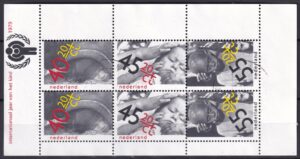
Nederland – Internationalt Børneår 1979
8,00 kr. Tilføj til kurv -

Nederland – Kinderpostzegels 1994 – miniatureark med børnetegninger, stemplet
8,00 kr. Tilføj til kurv -
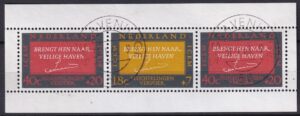
Nederland – Flygtningehjælp (Vluchtelingenvervoer)
6,00 kr. Tilføj til kurv -

Nederland – Flygtningehjælp (Vluchtelingenvervoer)
6,00 kr. Tilføj til kurv -

Nederland 1988 – Kind en Water (Børn og Vand) – Kinderpostzegelactie 1988
8,00 kr. Tilføj til kurv -
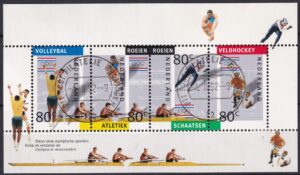
Nederland 1992 – Olympiske Lege i Barcelona – stemplet miniark
8,00 kr. Tilføj til kurv -

Nederland 1990 – Kind en Hobby (Børn og fritidsinteresser) – stemplet miniark
8,00 kr. Tilføj til kurv -
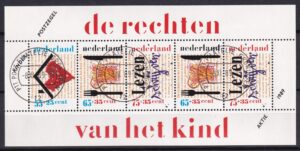
Nederland 1989 – De Rechten van het Kind (Barnets Rettigheder) – stemplet miniark
8,00 kr. Tilføj til kurv -
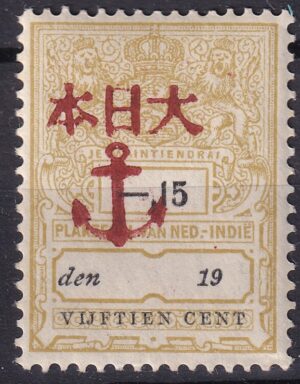
Hollandsk Ostindien – Portomærke 15 cent med japansk besættelsesovertryk
15,00 kr. Tilføj til kurv -

Frimærkeblok Holland 1938 – Luftpost “Bijzondere Vluchten” 12½c
5,00 kr. Tilføj til kurv -

Frimærker Holland (Nederland) – Dronning Wilhelmina, klassiske udgaver
8,00 kr. Tilføj til kurv -

Lot frimærker Holland (Nederland) – Juliana og taludgaver, blokke og enkeltmærker
10,00 kr. Tilføj til kurv -
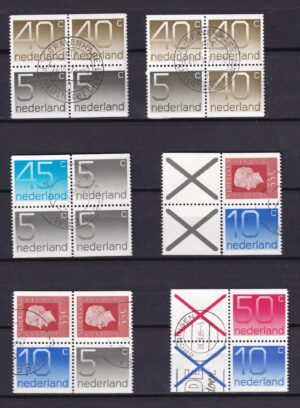
Lot frimærker Holland (Nederland) – Juliana og taludgaver i blokke
10,00 kr. Tilføj til kurv -

Lot frimærker Holland (Nederland) – Dronning Juliana, blokke med blandede værdier
10,00 kr. Tilføj til kurv -
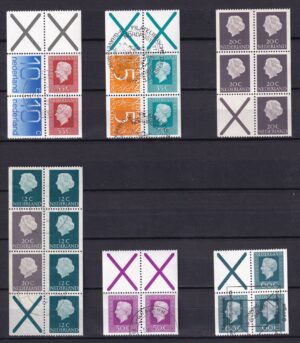
Lot frimærker Holland (Nederland) – Dronning Juliana, blokke og stempler
10,00 kr. Tilføj til kurv -
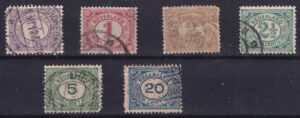
Holland Frimærker Stamp
5,00 kr. Tilføj til kurv -
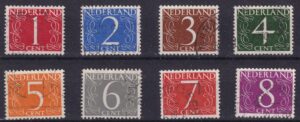
Holland Frimærker Stamp
5,00 kr. Tilføj til kurv -
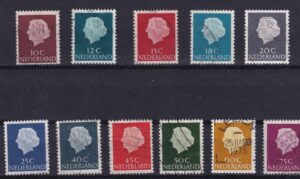
Holland Frimærker Queen Juliana
6,00 kr. Tilføj til kurv