Island
The History of Icelandic Postage Stamps
The story of Iceland’s postage stamps is deeply intertwined with its journey as a nation. It began in 1873 when Iceland issued its first stamps, marking a significant milestone in the island’s postal independence. These early stamps bore the image of King Christian IX of Denmark, reflecting Iceland’s status as a Danish dependency. Before this, Iceland relied on Danish postal services, and the new stamps symbolized the establishment of an independent Icelandic postal system, although still under Danish rule.
By 1902, Iceland took a step toward a distinct identity by introducing its own designs, featuring motifs such as the Icelandic coat of arms and other symbols unique to the country. This move coincided with rising nationalism in Iceland and a desire to express its culture and heritage. These stamps began to highlight Iceland’s stark natural beauty and historical significance, setting the stage for Icelandic postage to become a medium of artistic and cultural expression.
The next pivotal moment came in 1918, when Iceland became a sovereign state under the Danish crown. To mark this new era, Iceland issued stamps that celebrated its national pride and independence. The designs often depicted Icelandic landmarks, wildlife, and cultural themes, resonating deeply with the country’s inhabitants. In 1944, Iceland declared full independence, further influencing the themes and designs of its stamps, which now fully embraced Icelandic identity.
Throughout the 20th century, Icelandic postage stamps became renowned not only for their utility but also for their artistry. The natural landscapes of Iceland, from volcanoes and glaciers to geysers and waterfalls, have featured prominently on stamps, as have cultural icons like sagas, traditional clothing, and the Alþingi, Iceland’s parliament. Special commemorative stamps have been issued to mark important events, including Iceland’s millennium celebration in 2000 and its contributions to the arts and sciences.
Iceland has also embraced thematic stamps, introducing series dedicated to flora, fauna, and even contemporary topics like environmental preservation and renewable energy. These stamps are not only valued for their intricate designs but also as educational tools, telling the story of Iceland to the world.
In recent years, Icelandic stamps have gained a reputation among philatelists for their quality and innovation. Techniques like multi-colored printing and the use of cutting-edge design have made Iceland’s stamps highly collectible. In 2020, Iceland Post made the decision to cease issuing new stamps due to changes in mail usage and declining revenues, turning its existing stamp catalog into an enduring legacy of Iceland’s postal and cultural history.
Iceland’s postage stamps remain a rich archive of its national identity, offering a window into the country’s past and present through vibrant designs that capture the spirit of the Land of Fire and Ice.
Viser 1–24 af 36 resultaterSorteret efter seneste
-

Island 7 Aurar 1930 – Altingets 1000-års jubilæum, stemplet
15,00 kr. Tilføj til kurv -

Island 1984 – NORDIA 84 miniark
20,00 kr. Tilføj til kurv -
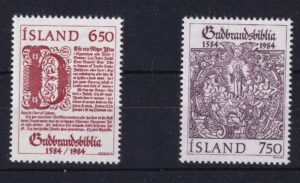
Island 1984 – Gudbrandsbiblia 1584-1984
5,00 kr. Tilføj til kurv -

Island Frimærker Stamp
25,00 kr. Tilføj til kurv -
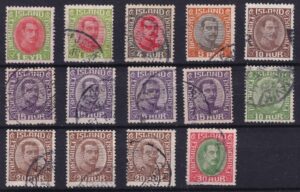
Island Christian X Stamp Frimærker
30,00 kr. Tilføj til kurv -
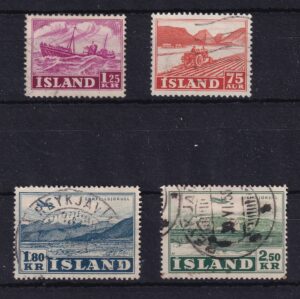
Island 1952 Stamp Frimærker
15,00 kr. Tilføj til kurv -
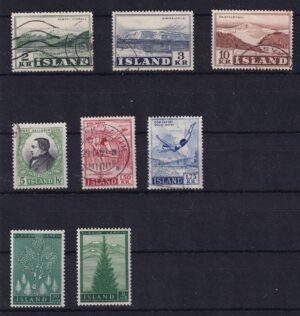
Island 1957 Stamp Frimærker
8,00 kr. Tilføj til kurv -
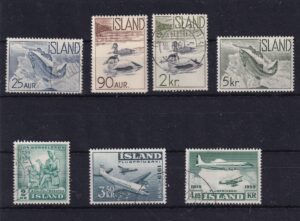
Island 1959 Stamp Frimærker
8,00 kr. Tilføj til kurv -
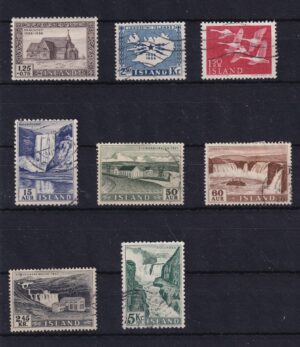
Island 1956 Stamp Frimærker
25,00 kr. Tilføj til kurv -
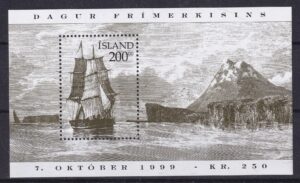
Island Stamp Frimærker
10,00 kr. Tilføj til kurv -
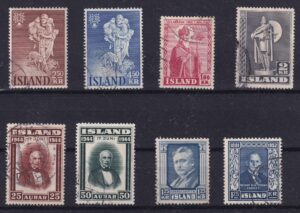
Island Stamp Frimærker Diverse
10,00 kr. Tilføj til kurv -
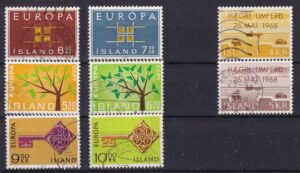
Island Stamp Frimærker Diverse
8,00 kr. Tilføj til kurv -
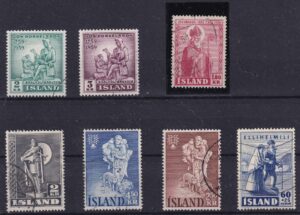
Island Stamp Frimærker Diverse
6,00 kr. Tilføj til kurv -
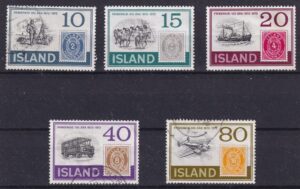
Island Stamp Frimærker
5,00 kr. Tilføj til kurv -
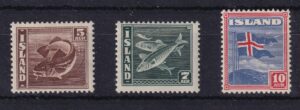
Island 1939
40,00 kr. Tilføj til kurv -
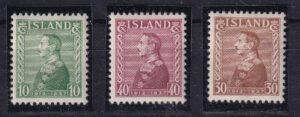
Island 1937 The 25th Anniversary of the Reign of Christian X
40,00 kr. Tilføj til kurv -
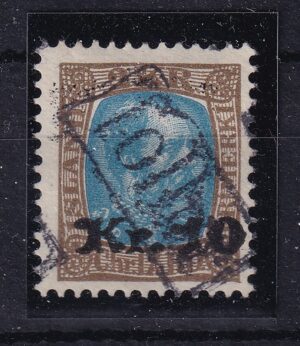
Island 1929
65,00 kr. Tilføj til kurv -
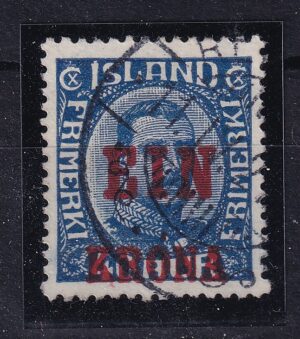
Island 1926
65,00 kr. Tilføj til kurv -
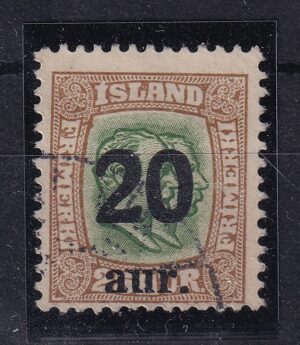
Island 1921
12,00 kr. Tilføj til kurv -
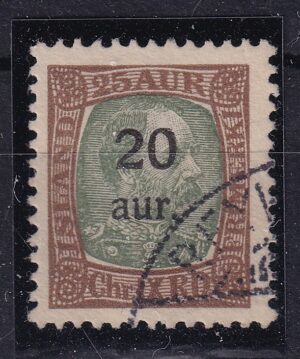
Island 1921
15,00 kr. Tilføj til kurv -
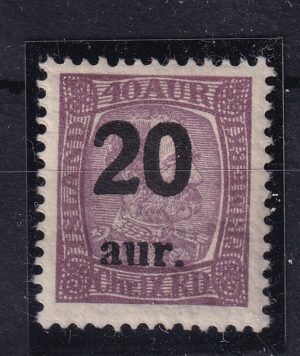
Island 1921
25,00 kr. Tilføj til kurv -
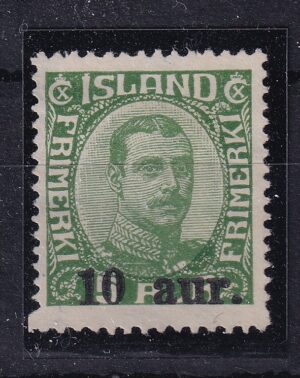
Island 1921
15,00 kr. Tilføj til kurv -
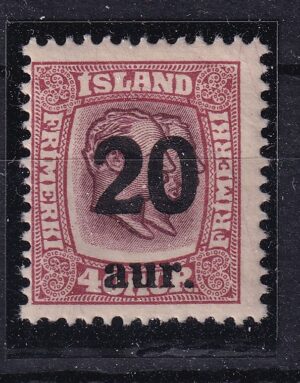
Island 1921
40,00 kr. Tilføj til kurv -
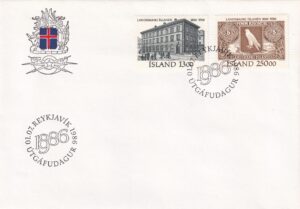
Island Frimærker FDC 1986
8,00 kr. Tilføj til kurv