England
The History of Postage Stamps in England
The history of postage stamps in England begins with the creation of the Penny Black, the world’s first adhesive postage stamp, issued on May 1, 1840. This groundbreaking innovation emerged as part of Sir Rowland Hill’s postal reforms, which aimed to simplify and democratize communication. Prior to the Penny Black, postage costs were calculated based on the distance traveled and the number of sheets in a letter, often requiring the recipient to pay upon delivery—a system that was both inefficient and costly.
The Penny Black featured the profile of Queen Victoria, designed by engraver Charles Heath and his assistant Frederick Heath. The portrait was based on a bust created by William Wyon, which had been used previously on commemorative coins. Its design set the standard for British stamps, with the monarch’s head becoming a defining feature. The Penny Black was priced at one penny, allowing letters weighing up to half an ounce to be sent anywhere within the United Kingdom. This uniform pricing model greatly expanded access to postal services for the general population.
The success of the Penny Black was followed by the introduction of the Two Penny Blue in the same year, designed for heavier letters. However, the Penny Black was soon replaced by the Penny Red in 1841, as the black ink made cancellation marks difficult to see, leading to issues with fraud.
England’s innovations in postage stamps quickly influenced other nations, sparking the global adoption of prepayment and adhesive stamps. By 1843, countries like Brazil and Switzerland had introduced their own stamps, inspired by England’s model.
Over time, English postage stamps evolved to reflect the changing face of the nation. Designs began to feature notable figures, landmarks, flora, fauna, and events, showcasing the country’s rich cultural and historical heritage. The reigns of subsequent monarchs brought new designs, with the tradition of featuring the monarch’s profile continuing to the present day. For example, the long reign of Queen Elizabeth II saw the introduction of numerous commemorative stamps, celebrating everything from scientific achievements to royal milestones.
Today, British stamps remain a symbol of innovation and heritage, admired by collectors and postal enthusiasts worldwide. Their evolution mirrors the story of England itself, marking the passage of time and the progress of communication technology.
Viser 1–24 af 84 resultaterSorteret efter seneste
-
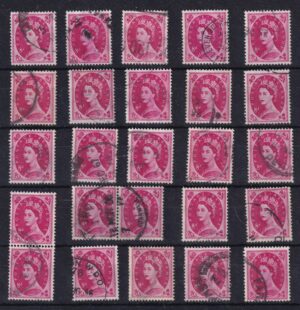
Storbritannien – Dronning Elizabeth II, 8 Pence (Wilding-udgaven)
8,00 kr. Tilføj til kurv -
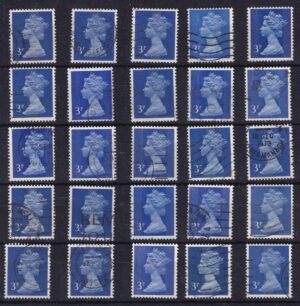
Storbritannien – Machin-frimærke 3 Pence, blå udgave
5,00 kr. Tilføj til kurv -

Storbritannien – Regionalt Machin-frimærke 11 1/2 Pence, Skotland
5,00 kr. Tilføj til kurv -

Storbritannien – Højere værdier fra Machin-serien, Dronning Elizabeth II
8,00 kr. Tilføj til kurv -

Storbritannien – Machin-serien 4 1/2 Pence, Dronning Elizabeth II
5,00 kr. Tilføj til kurv -

Storbritannien – Machin-serien 3 Pence, Dronning Elizabeth II
5,00 kr. Tilføj til kurv -

StorbStorbritannien – Machin-serien 5 Pence, Dronning Elizabeth II
5,00 kr. Tilføj til kurv -

Storbritannien – Machin-serien 6 1/2 Pence, Dronning Elizabeth II
5,00 kr. Tilføj til kurv -

Storbritannien – Machin-serien 2 Pence, Dronning Elizabeth II (1971–1980’erne)
5,00 kr. Tilføj til kurv -

Storbritannien – Machin-serien 1 Penny, Dronning Elizabeth II (1971–1984)
5,00 kr. Tilføj til kurv -
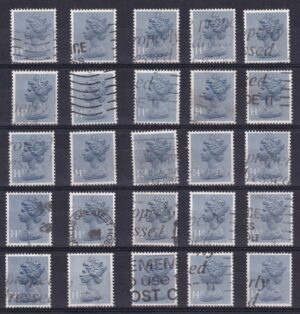
Storbritannien – Machin-serien 14 Pence, Dronning Elizabeth II (1980’erne)
5,00 kr. Tilføj til kurv -

Storbritannien – Machin-serien 4 Pence, Dronning Elizabeth II (1969–1971)
5,00 kr. Tilføj til kurv -

Storbritannien – Machin-serien 1/2 Penny, Dronning Elizabeth II (ca. 1971–1984)
5,00 kr. Tilføj til kurv -
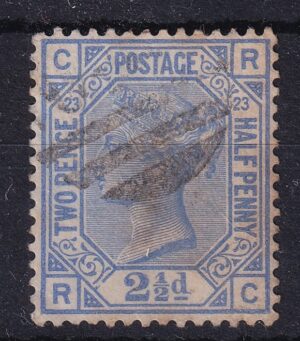
Storbritannien 2 1/2 Pence – Dronning Victoria Jubilee-serien
10,00 kr. Tilføj til kurv -
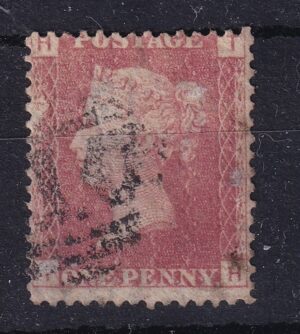
Storbritannien 1 Penny Rød – Dronning Victoria (Plate Issue)
5,00 kr. Tilføj til kurv -

Storbritannien 1887–1892 – Dronning Victoria Jubilee-serien, 4 Penny (stemplet)
8,00 kr. Tilføj til kurv -
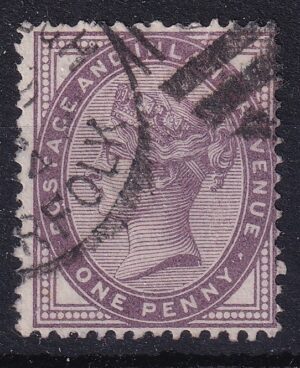
Storbritannien 1 Penny Queen Victoria 1881 – Postage and Inland Revenue
5,00 kr. Tilføj til kurv -
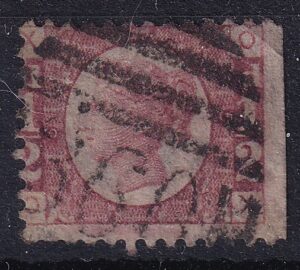
Storbritannien 1/2 Penny Queen Victoria 1870 – New Daily Stamp
10,00 kr. Tilføj til kurv -
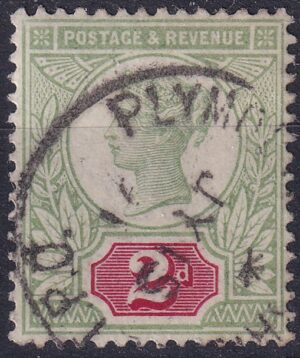
Storbritannien 2 1/2 Pence Jubilee Issue 1887-1892 – Queen Victoria, stemplet
25,00 kr. Tilføj til kurv -

Storbritannien 1887-1892 Jubilee Issue 3d Queen Victoria Postage & Revenue, stemplet
8,00 kr. Tilføj til kurv -

Storbritannien 1887-1892 Jubilee Issue 6d Queen Victoria, stemplet
20,00 kr. Tilføj til kurv -

Storbritannien – 1 Penny rød, Dronning Victoria, stemplet (plate issue)
10,00 kr. Tilføj til kurv -

Storbritannien 2 Pence Blå – Dronning Victoria, bogstaver EGGE, stemplet
40,00 kr. Tilføj til kurv -

Storbritannien 2 Pence Blå – Dronning Victoria, bogstaver CR/RC, stemplet
40,00 kr. Tilføj til kurv