Japan
The History of Postage Stamps in Japan
Japan’s journey into the world of postage stamps began in 1871 with the issuance of its first stamps, known as the “Dragon Stamps.” These stamps were introduced following the establishment of a modern postal system during the Meiji Restoration, a period of significant modernization and westernization.
The Dragon Stamps, featuring a simple design of a mythical dragon, were denominated in mon, the traditional currency. By 1872, Japan adopted yen-based currency stamps, aligning with its new monetary system.
In 1876, Japan joined the Universal Postal Union (UPU), integrating its postal services into the global network and allowing for international mail exchange. This period also saw the introduction of stamps with depictions of Emperor Meiji, emphasizing national identity and pride.
Over the years, Japanese stamps have become renowned for their intricate designs, cultural motifs, and artistic excellence. Themes include nature, traditional arts, historical figures, and modern achievements, reflecting the country’s rich heritage and dynamic evolution.
Today, Japanese stamps remain a window into the nation’s culture and history, cherished by collectors and philatelists worldwide.
Viser 1–24 af 44 resultaterSorteret efter seneste
-
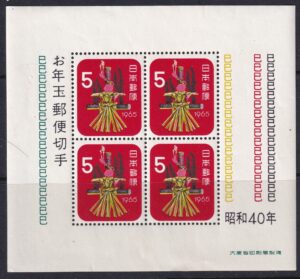
Japan 1965 – Nytårsfrimærker – Årets lykkesymbol – Miniatureark med fire frimærker
8,00 kr. Tilføj til kurv -
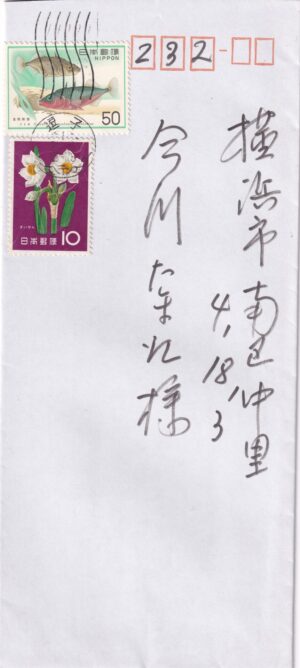
Japan Brev Frimærke Stamp
8,00 kr. Tilføj til kurv -
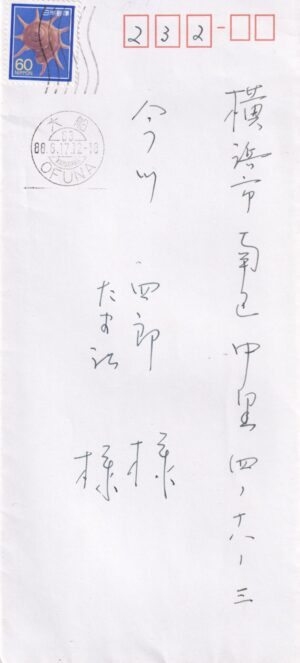
Japan Brev Frimærke Stamp
8,00 kr. Tilføj til kurv -
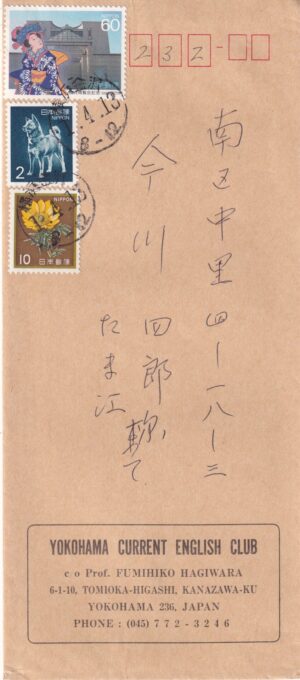
Japan Brev Frimærke Stamp
8,00 kr. Tilføj til kurv -
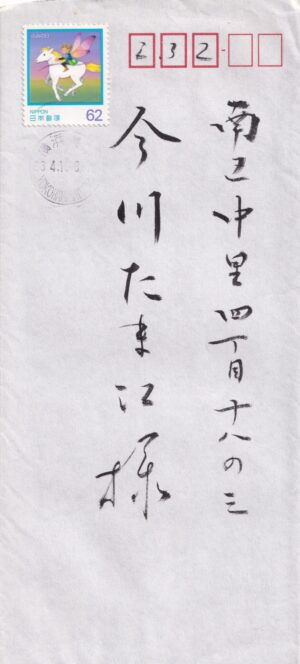
Japan Brev Frimærke Stamp
8,00 kr. Tilføj til kurv -
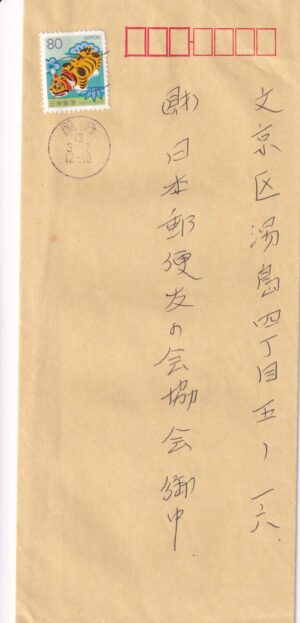
Japan Brev Frimærke Stamp
8,00 kr. Tilføj til kurv -
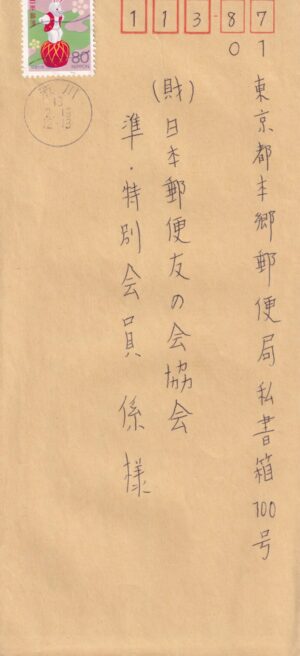
Japan Brev Frimærke Stamp
8,00 kr. Tilføj til kurv -

Japan Brev Frimærke Stamp
8,00 kr. Tilføj til kurv -

Japan Brev Frimærke Stamp
8,00 kr. Tilføj til kurv -
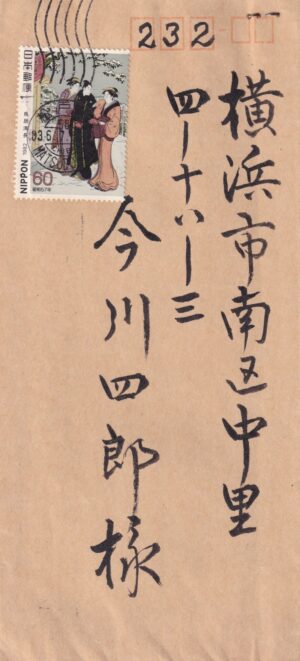
Japan Brev Frimærke Stamp
8,00 kr. Tilføj til kurv -
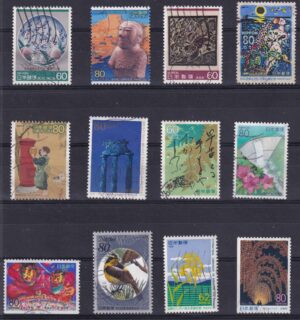
Japan Stamp Frimærke Diverse
8,00 kr. Tilføj til kurv -
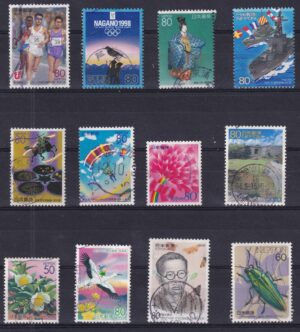
Japan Stamp Frimærke Diverse
8,00 kr. Tilføj til kurv -
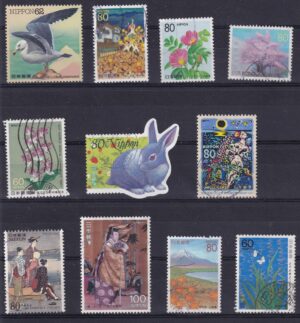
Japan Stamp Frimærke Diverse
8,00 kr. Tilføj til kurv -
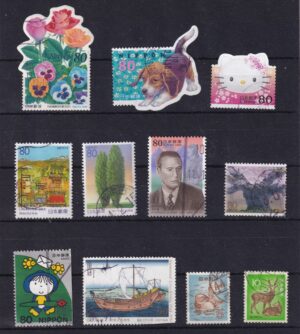
Japan Frimærker Stamps Diverse
8,00 kr. Tilføj til kurv -

Japan Frimærker Stamps Diverse
8,00 kr. Tilføj til kurv -
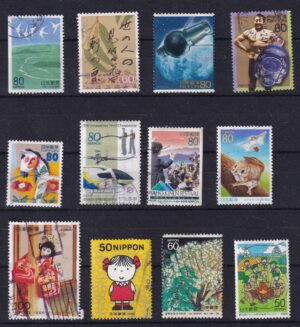
Japan Frimærker Stamps Diverse
8,00 kr. Tilføj til kurv -
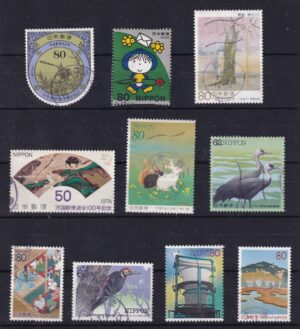
Japan Frimærker Stamps Diverse
8,00 kr. Tilføj til kurv -
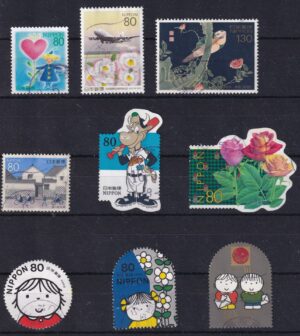
Japan Frimærker Stamps Diverse
8,00 kr. Tilføj til kurv -
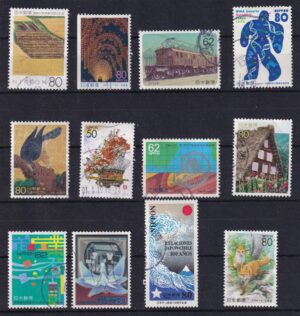
Japan Frimærker Stamps Diverse
8,00 kr. Tilføj til kurv -
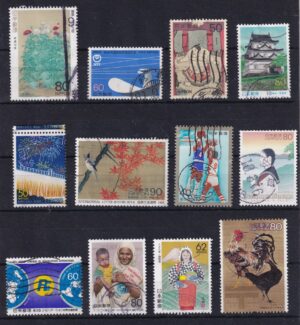
Japan Frimærker Stamps Diverse
8,00 kr. Tilføj til kurv -
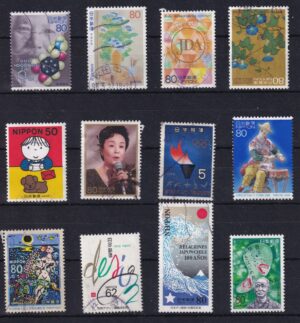
Japan Frimærker Stamps Diverse
8,00 kr. Tilføj til kurv -
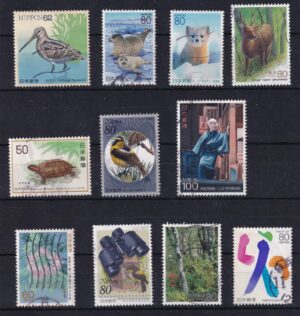
Japan Frimærker Stamps Diverse
8,00 kr. Tilføj til kurv -
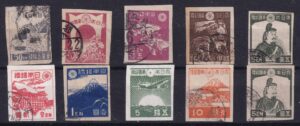
Japan Frimærker Diverse
5,00 kr. Tilføj til kurv -
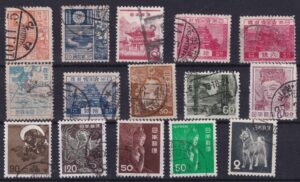
Japan Frimærker Diverse
8,00 kr. Tilføj til kurv