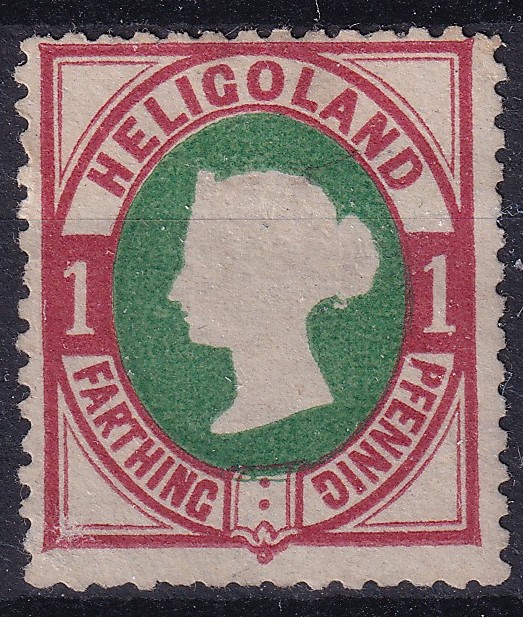
Helgoland and the stamps!
The History of Postage Stamps on Helgoland
Helgoland, a small German archipelago in the North Sea, has a unique and fascinating philatelic history tied to its complex geopolitical past. The island, located strategically between Denmark, Germany, and the United Kingdom, has undergone multiple transitions in sovereignty, influencing the production and use of its postage stamps. Below is an exploration of Helgoland’s philatelic legacy, tracing its roots and significance.
Early History and British Control (1814–1890)
After the Napoleonic Wars, the Treaty of Kiel (1814) transferred Helgoland from Denmark to the United Kingdom. Under British administration, the island remained a strategic naval and trading outpost. Despite being British territory, Helgoland adopted its own postage stamps, marking its distinctive cultural and administrative identity.
In 1867, Helgoland issued its first postage stamps, even though it was not formally independent. These stamps were authorized by the British government but designed and produced specifically for Helgoland’s use. The first series featured the profile of Queen Victoria in a minimalist style, paired with the Helgoland coat of arms in green and red—colors inspired by the island’s local flag.
The Stamps’ Design and Significance
Helgoland stamps became known for their intricate designs and bright colors. The early stamps depicted Queen Victoria’s portrait alongside symbols of the island’s identity, such as the shield with a green oak leaf and a red field. The stamps were printed in Hamburg by private printers, making them distinct from the standard British postage stamps of the time.
Helgoland stamps served practical purposes for local mail but also gained recognition among collectors due to their aesthetic appeal and rarity. The vibrant red and green designs reflected the island’s maritime heritage and unique position as a cultural crossroads.
The Transition to German Rule (1890)
In 1890, the Anglo-German Agreement (commonly referred to as the Helgoland-Zanzibar Treaty) resulted in Helgoland’s transfer to Germany. This strategic exchange allowed Germany to secure control of Helgoland while ceding territorial claims in East Africa to the British.
Following this political transition, Helgoland postage stamps ceased to be issued, as German imperial stamps replaced them. The Helgoland-specific designs became obsolete but gained even greater interest among philatelists as historical artifacts from a bygone era.
Legacy and Philatelic Collecting
Today, Helgoland’s stamps are highly sought after by collectors and historians due to their rarity and significance. Their colorful designs and the island’s unique history contribute to their value. Certain issues, especially early prints, command high prices at auctions. Reprints, however, have also become widespread, requiring collectors to carefully distinguish originals from later reproductions.
The stamps of Helgoland symbolize a microcosm of 19th-century European geopolitics, representing the interplay between colonial ambitions, local identity, and the evolution of postal systems.
Modern Helgoland and Philatelic Interest
Although Helgoland no longer issues its own postage stamps, its philatelic history remains a point of pride and interest for the island. Visitors to Helgoland can explore its maritime museum, where the island’s cultural and political history, including its stamps, is displayed. The enduring legacy of these stamps also reflects the broader historical narrative of shifting sovereignty and cultural identity in Europe.
Conclusion
The postage stamps of Helgoland are more than mere collectibles; they are tangible symbols of the island’s rich and layered history. From their origins under British rule to their role in philatelic circles today, Helgoland’s stamps capture the essence of a small island with outsized historical importance.